It's 4:27p on Friday afternoon and I am frantically waiting for the day to be over. This is how most of the days have gone since my father died in the early morning hours of June 19, 2012, just over three weeks ago. Maybe at some point I will be able to write of the days I spent with him at the end, our experience with music thanatology, his final hours, watching him breathing, stopping, starting again...but not now. I haven't been able to revisit that time in words or thoughts very much, or even talk about him. I've cried very little. I've only screamed twice. I've gotten out of bed everyday- sometimes not until 2p, but still. I think I appear to be functioning fairly well.
And yet inside, it hurts more than I could have thought possible. Today, after another failed attempt to regulate my sleeping between 14 hours a night or insomnia (last night's Ambien allowed me to sleep from 11p-3a, toss and turn until 6a, and pass out again for 5 hours), I finally got out of bed at 11:30a. I stumbled around the apartment for a while, forced some breakfast, threw the pillows back on the bed (I haven't bothered to use sheets in a week), and rode my bike to the gym- exercise is one of my biggest stress relievers. As I headed up the stairs I ran into a dear friend of mine who has encouraged me through all of my travails with Dad over the years and has been especially supportive over the past three weeks. Although she just lost her father-in-law two days ago, all she wanted to do was listen, really listen, to how I was doing. Instead of smiling and brushing it off (to not have to "deal with it", like I've been doing a lot) I told her about the panic attacks, the fear, the emptiness, the sleep problems. We discussed how grief triggers old emotions and learned responses, and how important it is to have a strong outside network- how good it was that besides friends and community, I'm seeing a grief counselor once a week and my regular therapist once a week. Even though she was at work and had probably been there since 5a, she stopped her day to talk, listen, hug. I suddenly didn't care that it was 1p and I hadn't "done anything" all day- that 15 minute connection made it okay.
Still, I felt despondent and defeated when I left the gym and called another really close friend. She was another supportive ear and we were even able to laugh and joke about a few things. I rode my bike home, putzed around for a while, then got up the motivation to drive the car for a long-overdue emissions test, something that I guess has to happen every year or every few years- it isn't that difficult, it just involves driving a few miles and waiting in line while the mechanic pushes some buttons or whatever, but I had been putting it off. Apparently, I had also been putting off general "care of the car" because the Subaru failed the test and now I have to go to the mechanic and get code P208 fixed, whatever that is, but I can't call until tomorrow because my cell phone is out of minutes because I guess when your father dies you spend a lot of time on the phone.
I started to drive home and felt this utter wave of sadness and emptiness hit. I thought to a passage I read in one of the grief books- "There are no pat answers. No one completely understands the mystery of death. Even if the question were answered, would your pain be eased, your loneliness less terrible? There is no answer that bridges the chasm of irreparable separation."
It is now 5:07p. Unfortunately, the day still isn't over. But I have plans to go over to a friend's house, eat some homemade peach ice cream, probably have some wine, sit on her couch and she will accept me for who I am whatever state I am because that's what awesome friends do, and I have some pretty awesome friends.
But my father is no longer alive, and the reality of that is sometimes more than I want to face.

Friday, July 13, 2012


Tuesday, April 10, 2012
Juxtaposition
I'm not sure how long I'll be "at that age" where I can count on two and a half hands all the close friends who are pregnant or recently had a child, but for now it's still in full force. A week after sending off a newborn package for my first "niece" in New Mexico, I spent the afternoon today at the baby shower for one of my managers at work and tomorrow I'm visiting a local friend who is ecstatic to be two months pregnant after a long wait. My dear friend in Arizona is expecting her first child in June, and I have no idea how she manages the added stress, fatigue and other symptoms on top of her rigorous physician job. But alas, the woman (and men) in my life continue to amaze me as they go on to grow their families and bring joy.
I see this, and I feel conflicted because so much of my life revolves around death. Well maybe it doesn't revolve around death, but death certainly plays a prominent role and is on my thoughts quite a lot. As an activity coordinator for residents who have Alzheimer's and other dementias, my job is to bring joy, stimulation and engagement to people at the end of their lives. While it's a pleasure and an honor to be with them, seeing them decline and eventually pass away is by far the hardest part. Witnessing my own father's decline over the past eight years, and specifically the 28 months he's been on Hospice, has been both enlightening and heartbreaking.
I only had a short time to visit Henry this afternoon. I had intended on getting out to Maryhaven in the late morning but had been running late all day and didn't get there until 12:45p. I had to be back in Evanston by 1:30p to help set-up my co-worker's baby shower, which meant I had to leave Glenview by 1:10p. I ran in quickly, signed in how I always do ("Carrie" visiting "Henry") and dropped off some yogurt for him in the main fridge. After a quick scan of the living room, I realized that he was still in his room and headed that way. From down the hall I could hear his screams, and by the time I got to his room I saw that Rachel, his wonderful Hospice CNA, was getting him dressed. I poked my head in and his eyes met mine and he stopped yelling. He was lying flat in bed, wearing a diaper and undershirt with his sweat pants halfway up. Julie, his Hospice nurse had said he had been losing weight but I was still shocked to see how frail and emaciated 140lbs looked on my once robust father and I caught my breath. I walked in, gave Rachel a hug and gave Dad a kiss. I turned on the CD player and started singing along with Billie Holiday, in an attempt to distract him from the pain and terrors, real and perceived, of arduously being dressed by someone else. I reached for his hand while Rachel turned him to the side in order to get one sleeve of his sweatshirt on his arm, and tried to quiet his yells of protest. He squeezed my hand and stared at me. For the next 15 minutes we continued on this way, Rachel turning him this way and that and angling his head into his shirt and wrapping his legs in the protective socks and Henry looking into my eyes and squeezing my hand and wondering...I don't know what. Begging me. Asking me. Questioning me. And I couldn't help him. And then I had to go, promising that I would be back on Thursday and would be able to visit longer. And I left. And I felt terrible.
But I had a baby shower to get to. My manager, coworker, friend is three weeks away (or so) from having her second child. So I helped decorate with flowers, streamers, balloons, tablecloths. People brought food, presents, cards, hugs, good wishes. On my card I wrote, "So happy for the life, light and love that you are bringing into our world." And I was so, so happy for her, and willing my heart to be open. But I felt sick, and after leaving the party I went to yoga and that's when the tears started to silently flow. For 60 minutes I physically tried to work through the joy and promise of new life and the pain and heartbreak of a life that lingers...waiting...I don't know what for. I don't know what I can do. I don't know what to do. I had plans with a friend tonight but after yoga I sent her a text saying, "I need to go home and cry and sleep." But now that I'm home I can't do either of those and...I don't know what I can do. I don't know what to do. Life is precious, life is beautiful.
I can't think of anything worse that watching a loved one suffer and not being able to help. I want my friends' children to come in to this world happy and loved. I want to protect them from pain forever. And I know that's not possible. And I hurt inside.

I see this, and I feel conflicted because so much of my life revolves around death. Well maybe it doesn't revolve around death, but death certainly plays a prominent role and is on my thoughts quite a lot. As an activity coordinator for residents who have Alzheimer's and other dementias, my job is to bring joy, stimulation and engagement to people at the end of their lives. While it's a pleasure and an honor to be with them, seeing them decline and eventually pass away is by far the hardest part. Witnessing my own father's decline over the past eight years, and specifically the 28 months he's been on Hospice, has been both enlightening and heartbreaking.
I only had a short time to visit Henry this afternoon. I had intended on getting out to Maryhaven in the late morning but had been running late all day and didn't get there until 12:45p. I had to be back in Evanston by 1:30p to help set-up my co-worker's baby shower, which meant I had to leave Glenview by 1:10p. I ran in quickly, signed in how I always do ("Carrie" visiting "Henry") and dropped off some yogurt for him in the main fridge. After a quick scan of the living room, I realized that he was still in his room and headed that way. From down the hall I could hear his screams, and by the time I got to his room I saw that Rachel, his wonderful Hospice CNA, was getting him dressed. I poked my head in and his eyes met mine and he stopped yelling. He was lying flat in bed, wearing a diaper and undershirt with his sweat pants halfway up. Julie, his Hospice nurse had said he had been losing weight but I was still shocked to see how frail and emaciated 140lbs looked on my once robust father and I caught my breath. I walked in, gave Rachel a hug and gave Dad a kiss. I turned on the CD player and started singing along with Billie Holiday, in an attempt to distract him from the pain and terrors, real and perceived, of arduously being dressed by someone else. I reached for his hand while Rachel turned him to the side in order to get one sleeve of his sweatshirt on his arm, and tried to quiet his yells of protest. He squeezed my hand and stared at me. For the next 15 minutes we continued on this way, Rachel turning him this way and that and angling his head into his shirt and wrapping his legs in the protective socks and Henry looking into my eyes and squeezing my hand and wondering...I don't know what. Begging me. Asking me. Questioning me. And I couldn't help him. And then I had to go, promising that I would be back on Thursday and would be able to visit longer. And I left. And I felt terrible.
I can't think of anything worse that watching a loved one suffer and not being able to help. I want my friends' children to come in to this world happy and loved. I want to protect them from pain forever. And I know that's not possible. And I hurt inside.

Thursday, March 29, 2012
Tears
It was bound to happen; I was overdue for a breakdown. I do so well, you know, most of the time. I go about life smiling and laughing and joking. Random people have told me I have the calmest face, most peaceful demeanor. My standard response is a laugh, a smile, and an offhanded "oh, I do a lot of yoga!" People who don't know anything about me think I'm happy-go lucky. As hard as I try, I can't keep it up all the time. I get stressed, okay, there I said it. And every once in a while, yes, I just break down. As I said, it was time.
Henry has been losing even more ground in the past three weeks. He is less responsive, sometimes to the point where he doesn't know I'm there. Julie, his Hospice nurse, has noticed the same thing and was the first one to bring it up. It has been an unseasonably warm March, so I have been able to bring him outside on the patio during my visits. Even though he is usually sleeping, he still holds my hand and he is still soaking up sunshine and vitamin D. I tell him about my week, and even though he may not process it I still like to feel like that's a normal thing to do. "I had drinks with a friend last night, and on Saturday I'm going to a magic show after work," I say. Because aren't these the things a Dad would want to know? "I'm almost done with my taxes, and yours too. Your old friend Rick, who has been doing your taxes for dozens of years, said he'd finish them for us. What a great guy." And he's still asleep, and still holding my hand, and then I sit and stare at him.
This afternoon I had a staff meeting at noon, then headed out to Maryhaven around 2p. Dad was sitting on the outskirts of the circle they had set up with the residents. The woman leading the group announced loudly, strictly for his benefit, "Carrie's here!" I pulled him back and gave him a kiss, knowing that he wouldn't really miss being away from Ring Toss. I brought him into the foyer, which is relatively quiet and has a couch I can sit on. He was fading in and out of consciousness, so for a few minutes I just sat there and held his hand. I rubbed his legs to stimulate circulation, gave him a little shoulder rub, and stroked his arm. Then I started singing. I made it all the way through "Take Me Out to the Ballgame" and halfway through "The Way You Look Tonight" before I lost it. "Lovely, never ever change, keep that breathless charm, won't you please arrange it because I love you..." and I just burst out crying. Unabashedly sobbing. And finally he opened his eyes, briefly. He stared at me, then drifted off again. Eyes closed, he squeezed my hand. And I was on a roll- I couldn't stop crying. For my love for him, his love for me. For the sacrifices we've both made. For the length this journey has been drawn out. For all I have learned, all he has taught me about myself. For all I have grown. For his pain....for my pain. For the fear of losing him. For the possibility that life might go on afterwards, and how wrong that may seem.
20 minutes later, my eyes puffy but dry, I returned him to his unit and headed out. I was restless and a little hysterical. It was after hours for my regular Hospice social worker, so I got in the car and called several friends with little luck. I stopped for a coffee, then headed to the gym to practice some yoga on my own. I've always been physically oriented- I get that from my father- and exercise or movement always makes me feel better. I went to the library and picked up the next selection for Book Club. I went to a wine tasting. I came home around 7p, had more wine, ate dinner, read the newspaper, went for a walk. Now I don't know what else to do, so I'm writing because in theory it should help. You know, get it out. Let go of the pain, the emotion. But it doesn't necessarily work that way. My heart hurts.
I'll fall asleep sometime tonight. I'll go to work tomorrow. I'll call my Hospice social worker on my lunch break. I'll be okay. This will pass. I'll get busy, I'll get distracted. And in three months or so, it will come out again. I wish knew what was between stuffing the feelings inside and letting them all flow out. I wish there was a middle ground.
I wish he wasn't suffering.
 |
| Sleeping in the sun |
This afternoon I had a staff meeting at noon, then headed out to Maryhaven around 2p. Dad was sitting on the outskirts of the circle they had set up with the residents. The woman leading the group announced loudly, strictly for his benefit, "Carrie's here!" I pulled him back and gave him a kiss, knowing that he wouldn't really miss being away from Ring Toss. I brought him into the foyer, which is relatively quiet and has a couch I can sit on. He was fading in and out of consciousness, so for a few minutes I just sat there and held his hand. I rubbed his legs to stimulate circulation, gave him a little shoulder rub, and stroked his arm. Then I started singing. I made it all the way through "Take Me Out to the Ballgame" and halfway through "The Way You Look Tonight" before I lost it. "Lovely, never ever change, keep that breathless charm, won't you please arrange it because I love you..." and I just burst out crying. Unabashedly sobbing. And finally he opened his eyes, briefly. He stared at me, then drifted off again. Eyes closed, he squeezed my hand. And I was on a roll- I couldn't stop crying. For my love for him, his love for me. For the sacrifices we've both made. For the length this journey has been drawn out. For all I have learned, all he has taught me about myself. For all I have grown. For his pain....for my pain. For the fear of losing him. For the possibility that life might go on afterwards, and how wrong that may seem.
20 minutes later, my eyes puffy but dry, I returned him to his unit and headed out. I was restless and a little hysterical. It was after hours for my regular Hospice social worker, so I got in the car and called several friends with little luck. I stopped for a coffee, then headed to the gym to practice some yoga on my own. I've always been physically oriented- I get that from my father- and exercise or movement always makes me feel better. I went to the library and picked up the next selection for Book Club. I went to a wine tasting. I came home around 7p, had more wine, ate dinner, read the newspaper, went for a walk. Now I don't know what else to do, so I'm writing because in theory it should help. You know, get it out. Let go of the pain, the emotion. But it doesn't necessarily work that way. My heart hurts.
I'll fall asleep sometime tonight. I'll go to work tomorrow. I'll call my Hospice social worker on my lunch break. I'll be okay. This will pass. I'll get busy, I'll get distracted. And in three months or so, it will come out again. I wish knew what was between stuffing the feelings inside and letting them all flow out. I wish there was a middle ground.
I wish he wasn't suffering.
Thursday, February 23, 2012
Charm
My father was a charming man. Or rather, he was good at charming people- to call him always "charming" would be a serious overstatement. He was the president of the international division of a prestigious insurance company and traveled around extensively- by the time he retired when I was eight years old I had already been to more than 25 countries with him on business trips. He quickly made friends with all the new people he would meet, from the foreign businessmen to the hotel clerks. At my young age, it seemed as though everybody was catering to Mr. Jackson and his wife and family. I remember elaborate parties for his birthday in Japan, private cars driving us around London, and participating in special local festivals in Thailand. His lifestyle took a dramatic shift when he retired- instead of people giving him rides on elephants he was carting two kids to gymnastics, piano, and horseback riding.
I think it was a difficult time for him- the retirement wasn't entirely his idea- but he did the best he knew how to. He would pick me up from school on his bike, with our neurotic dog Rusty riding in the grocery basket. My friends loved going home for lunch with me because he would make the best grilled cheese sandwiches on sourdough bread, and as a special treat he made stove-top hot chocolate. In the morning he would cut up plates of fresh fruit and bring them to Mom, my sister, and me while we were getting ready as an "appetizer" before breakfast- before he made his own famous fruit bowl with a huge scoop of cottage cheese on top. Many years later, when he could no longer figure out how to cut a grapefruit by himself (and we didn't trust him with a knife), I made sure the caregiver or myself always started his breakfast with fresh fruit.
I remember taking Dad to Old Navy a couple of years ago to stock up on basic clothing. Fortunately, I didn't have to get him to try anything on in the dressing room- for as long as I can remember he had been a size 32w x 34L so shopping for him was easy. While we waited in the checkout line he laughed at the doggie costumes they had set out for Halloween and we imagined trying to get Rusty into one of the ladybug suits. When it was our turn to check out, he smiled at the clerk and glance at her nametag. "Michelle," he said. "That's a beautiful name!" She smiled, and in his perfect tenor voice he started to croon out his best Paul McCartney. "Michelle, ma belle. These are words that go together well...my Michelle." The young clerk blushed, but she was delighted. "My parents named me after that song!" she exclaimed. Dad started beaming, obviously thrilled that he had made her happy. We walked out humming Michelle and talking about the Beatles. While this scenario wouldn't have worked out so well in every circumstance- I can imagine it would be different and slightly awkward if I had been the one singing or if Dad had been 30 years younger- in this case the clerk was obviously charmed by the gentle octogenarian on an outing with his daughter.
I was reminded of this story last Sunday morning as I was driving to work. I was listening to Breakfast With the Beatles, a show dedicated to all things Beatles on WXRT. Although Michelle won a Grammy in 1966, I think it sometimes gets overshadowed by their even bigger hits so when I heard it on the radio I was taken by surprise. My mind immediately went back to that October day in Old Navy, how happy the clerk was to be acknowledged, and how happy Dad was to make her smile. While he had a horrific temper and it was easier for him to swear than say "I love you," I choose now to remember the softer, more charming side of my father that was beautiful when he let it come out.
 |
| A rose by any other name...circa 1980 |
I think it was a difficult time for him- the retirement wasn't entirely his idea- but he did the best he knew how to. He would pick me up from school on his bike, with our neurotic dog Rusty riding in the grocery basket. My friends loved going home for lunch with me because he would make the best grilled cheese sandwiches on sourdough bread, and as a special treat he made stove-top hot chocolate. In the morning he would cut up plates of fresh fruit and bring them to Mom, my sister, and me while we were getting ready as an "appetizer" before breakfast- before he made his own famous fruit bowl with a huge scoop of cottage cheese on top. Many years later, when he could no longer figure out how to cut a grapefruit by himself (and we didn't trust him with a knife), I made sure the caregiver or myself always started his breakfast with fresh fruit.
I remember taking Dad to Old Navy a couple of years ago to stock up on basic clothing. Fortunately, I didn't have to get him to try anything on in the dressing room- for as long as I can remember he had been a size 32w x 34L so shopping for him was easy. While we waited in the checkout line he laughed at the doggie costumes they had set out for Halloween and we imagined trying to get Rusty into one of the ladybug suits. When it was our turn to check out, he smiled at the clerk and glance at her nametag. "Michelle," he said. "That's a beautiful name!" She smiled, and in his perfect tenor voice he started to croon out his best Paul McCartney. "Michelle, ma belle. These are words that go together well...my Michelle." The young clerk blushed, but she was delighted. "My parents named me after that song!" she exclaimed. Dad started beaming, obviously thrilled that he had made her happy. We walked out humming Michelle and talking about the Beatles. While this scenario wouldn't have worked out so well in every circumstance- I can imagine it would be different and slightly awkward if I had been the one singing or if Dad had been 30 years younger- in this case the clerk was obviously charmed by the gentle octogenarian on an outing with his daughter.
I was reminded of this story last Sunday morning as I was driving to work. I was listening to Breakfast With the Beatles, a show dedicated to all things Beatles on WXRT. Although Michelle won a Grammy in 1966, I think it sometimes gets overshadowed by their even bigger hits so when I heard it on the radio I was taken by surprise. My mind immediately went back to that October day in Old Navy, how happy the clerk was to be acknowledged, and how happy Dad was to make her smile. While he had a horrific temper and it was easier for him to swear than say "I love you," I choose now to remember the softer, more charming side of my father that was beautiful when he let it come out.
Thursday, February 2, 2012
Fresh Air
Somewhere in Pennsylvania this morning, after much prodding and poking a groundhog stepped out of his resting spot and somebody decided that he could see his shadow. According to folklore, that means that we will have six more weeks of winter. Here in the Midwest we're not sure what that means. On the second day of February, the temperatures are predicted to reach 48 degrees today. Yesterday was the anniversary of last year's Snowmageddon, which dropped 26 inches of snow in two days and shut down Lake Shore Drive for the first time ever in Chicago. This year I've only used the snow scraper once and it almost wasn't necessary. As Tom Skilling likes telling us repeatedly, this is the warmest winter Chicago has had in 80 years. I've only lost one pair of gloves (so far), in large part because there have been so many days I haven't needed to wear them. I was worried that the cute pink coat I got for $30 at a secondhand store in October would only last for a month or so because it's not lined in down; instead, I've been able to wear it all but five days this year.
What does this all mean? Putting aside all the practical worries of global warming and confused birds messing up their migration plans and flowers coming up months early, I am loving this weather. I find I have much more energy and motivation when the thought of doing an errand isn't sidetracked by "ugh, but it's so COLD outside!" I'm walking more, not using the heat in the car as much, and haven't had to fight with layers of long underwear. Mostly, I'm reminded of how much I love to be outside. I love fresh air. I work in a stuffy, dry, hot building and it's so refreshing to get outside at lunch even just for a quick walk around the block. Having the wind blow my hair and getting a little chill when it goes down my neck. Squinting from the sun and getting some natural vitamin D. Feeling the softness of the ground under my feet- not frozen as it usually is at this time of year. It's all a reminder of the might and potency of nature and it's somehow both humbling and empowering.
 As I was driving out to Dad's on Tuesday afternoon, the thermometer on the car read 59 degrees and I rolled the windows down a little to feel the breeze. I was planning on bringing him into the library and show him some of his favorite videos on YouTube- Singing in the Rain, Kick Your Knees Up Steppin' Time, Billie Holiday in concert, the What a Wonderful World hand-puppet show. Okay, that last one is my favorite but I tell myself that he likes it too- I don't have a good way to tell for sure. When I got to Maryhaven, however, I had a much better idea. I walked up to Dad, wiped up the drool on his chin from the meds the nurse had just fed him, gave him a kiss, and asked him if he wanted to go outside. He responded with a blank stare, but I thought maybe I could see a twitch in his eyes. I got some blankets from the laundry room, piled them on his wheelchair and pushed him off the unit. As soon as we went through the front doors his face softened and I realized that it's probably been four months since he had been outside. I get stir-crazy after being inside for three hours, and that trait was definitely handed down from my father so I can't imagine how restless and claustrophobic he feels trapped in the nursing home day after day. I asked him if it felt good to be outside and he nodded his head ever so slightly. We only stayed out for 10 minutes- he started shivering- but I could tell the whole experience brought him a lot of joy. Driving home, the sun was starting to set and it was getting cooler but I put on my scarf so I could roll the windows down anyway and feel the fresh air. Whether or not Puxatawny Phil was right, you'll hear no complaints from me this winter.
What does this all mean? Putting aside all the practical worries of global warming and confused birds messing up their migration plans and flowers coming up months early, I am loving this weather. I find I have much more energy and motivation when the thought of doing an errand isn't sidetracked by "ugh, but it's so COLD outside!" I'm walking more, not using the heat in the car as much, and haven't had to fight with layers of long underwear. Mostly, I'm reminded of how much I love to be outside. I love fresh air. I work in a stuffy, dry, hot building and it's so refreshing to get outside at lunch even just for a quick walk around the block. Having the wind blow my hair and getting a little chill when it goes down my neck. Squinting from the sun and getting some natural vitamin D. Feeling the softness of the ground under my feet- not frozen as it usually is at this time of year. It's all a reminder of the might and potency of nature and it's somehow both humbling and empowering.
Thursday, October 20, 2011
Transitions
It's been more than two months since my last blog entry. I wrote of Dad's eyes following me, his hand grasping mine, him speaking with intent and urgency. I remember he had just finished lunch and was quite alert. His eyes, while not necessarily bright, were at least clear. I can't help but wonder how he has lost so much ground since then and how it has been such a relatively quick and abrupt transformation.
It seemed like he changed overnight, and while I don't think that's true, Alzheimer's is an unpredictable disease and maybe something just shifted in the brain to make this happen? Now his eyes are distant, blank, empty. It is like he is looking through me. He barely utters a word, and I am unable to decipher if it's because he doesn't want to or is unable to- I think the latter. He chokes on almost everything he eats now, because his body has forgotten how to properly swallow. I can't bear to feed him the pureed shit that the facility provides, so I stock the fridge with yogurt and pudding, and at least when I'm there that's what he eats for dinner.
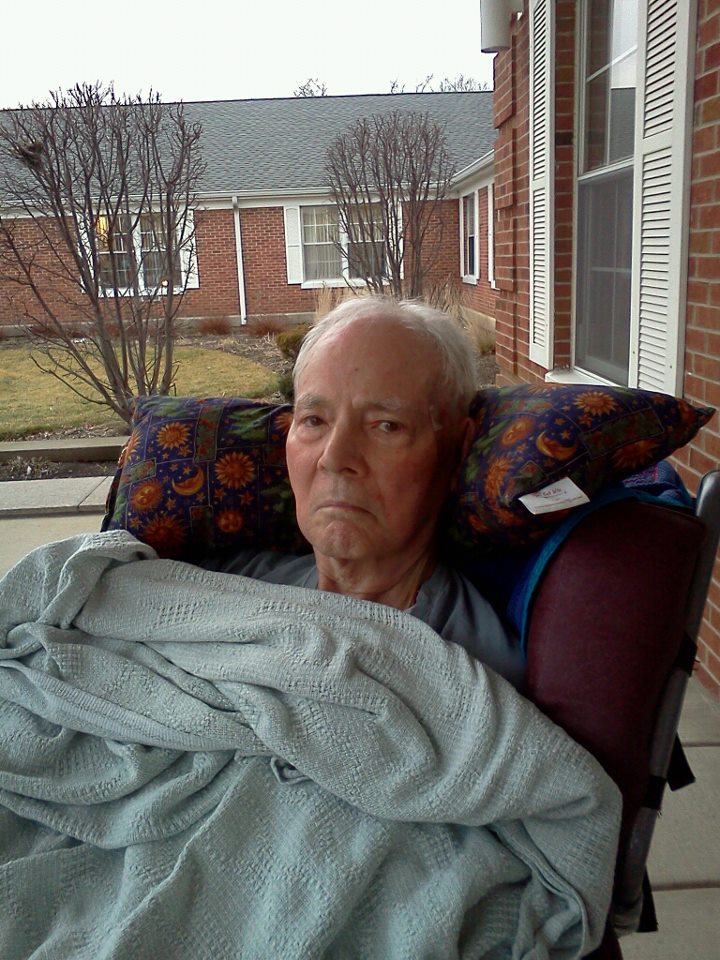
Feeding has become one of the biggest issues, but it's also one of the most important because food is the only thing keeping him going now. Dad has always had a strong fear of choking- the story goes that he had a bad experience with a piece of hard candy when he was a kid and it traumatized him. So for me to feed him yogurt and have him choke is agonizing for both of us, and I can only be thankful that I am there to comfort him. It's a huge struggle for me- by feeding him I am giving him nourishment, and as long as he is willingly accepting food I will continue to do so. At the same time, he is mostly likely going to eventually die from pneumonia or another infection that will develop when he chokes and aspirates, so each time I give him yogurt I am potentially enabling that. It's my choice not to push him to eat- if he doesn't want it, I honor that.
 |
| "Pureed tuna salad". If you say so... |
Feeding has become one of the biggest issues, but it's also one of the most important because food is the only thing keeping him going now. Dad has always had a strong fear of choking- the story goes that he had a bad experience with a piece of hard candy when he was a kid and it traumatized him. So for me to feed him yogurt and have him choke is agonizing for both of us, and I can only be thankful that I am there to comfort him. It's a huge struggle for me- by feeding him I am giving him nourishment, and as long as he is willingly accepting food I will continue to do so. At the same time, he is mostly likely going to eventually die from pneumonia or another infection that will develop when he chokes and aspirates, so each time I give him yogurt I am potentially enabling that. It's my choice not to push him to eat- if he doesn't want it, I honor that.
Julie, Dad's Hospice nurse, wanted to lower his psychotropic medication since he has been so much calmer and withdrawn but I guess every once in a while he still swears when they bathe him so the doctor said to keep the meds in place. For the safety and ease of the staff, I don't want him to be combative but I also don't want to medicate away any awareness or expression that he is still able to communicate. Henry G. Jackson Jr. never wanted people to take care of him and to do so without complaint wouldn't be my father. And I want to hold on to any glimpses of him that I can while I still have the chance.
 |
| October 2011 |
Thursday, August 11, 2011
National Alzheimer's Project Act

It had already been an emotional day. I had a care plan conference at Maryhaven, Dad's nursing home, earlier in the afternoon and had only a minute to run in and say hi to him afterwards. He was sitting in the activity room with the rest of the residents, watching a John Denver video. I cringed at the irony of them hearing "take me home," when for him that would be the ultimate gift. Every time I come he says, "canwegohomenow? canwegohomenow?" I don't know what his idea of "home" is, but I am certain it's not a nursing home. I ignored Mr. Denver and as I walked over to Dad his eyes followed me. When I got close enough he grabbed my hand and mumbled "Iloveyouforever," which is what I always say to him when I leave. So for him to say it was incredibly powerful, and by the time I raced home and hopped on the El I was already a little teary. I got to the hotel and was whisked down to one of the large conference rooms. There were representatives from the Alzheimer's Association milling around, and I recognized the VP of Communications and the Special Events Coordinator, two women I met when I did a fundraiser with the association last year. We talked and caught up for a few minutes, then everybody was asked to sit down. We were welcomed by Harry Johns, the CEO of the association, Erna Colborn, the president of the Greater Illinois chapter, and representatives from the Department of Health and Human Services. There was a recorded welcome by President Obama, assuring us that he would back NAPA and understood the importance of it. Then it was our turn to speak. Out of the 200 or so people in the audience, 21 of us got up to tell our stories and share our ideas. I normally have no problem with public speaking, but when it was my turn I could feel my voice quiver.
"Forlorn, discouraged and despondent, he spends his days in a reclined gerichair, mumbling and swearing at the memories, or lack thereof, that plague his thoughts....Alzheimer's disease is a thief. It slowly, painfully robs the victim of his very existence. It's not just the memory that fails, it's the actual ability to process and understand daily tasks....we need proper funding for research into prevention, education for medical professionals and resources for families and caregivers....(people with Alzheimer's) need to be treated with respect, courtesy and compassion and not be stigmatized for their symptoms."
I had hoped to astutely but passionately cover the issues that were the most widespread, and judging from the applause at the end I think I did a decent job. Other people talked about the importance of early detection, specific problems with early-onset, assisted living deserts (communities that have no access to them) and tax incentives for caregivers who have given up jobs and made other lifestyle sacrifices to care for their loved ones. In spite of the painful stories that were shared, I felt that there was a lot of positive, productive energy in the room. After we all spoke, Rep. Mary Flowers from Illinois got up and promised that as chairwoman of the Health Care Availability Access committee, she would lead forums and sessions in the state and push to make funding into research a priority. The evening ended with more words from Mr. Johns and Ms. Colborn, and a reminder that we could still submit ideas and suggestions online.
Sitting in the audience and listening to the other family members, friends and caregivers speak was incredibly moving, and for the second time that day I teared up. There was the 17 year old whose mother was diagnosed with early-onset at 53, the woman who lost both of her parents to the disease within seven days of each other, and the man who stood at the microphone stammering for 30 seconds before his wife jumped in and spoke for him since he was having trouble remembering how to. I hope that by hearing our stories and seeing us as real people and families and not just numbers and statistics, the people on the NAPA planning committee will be moved and impacted enough to push forward quickly and urgently, and we can begin to make progress on finding a cure to this harrowing disease.
Wednesday, July 13, 2011
Grasshoppers and Robins
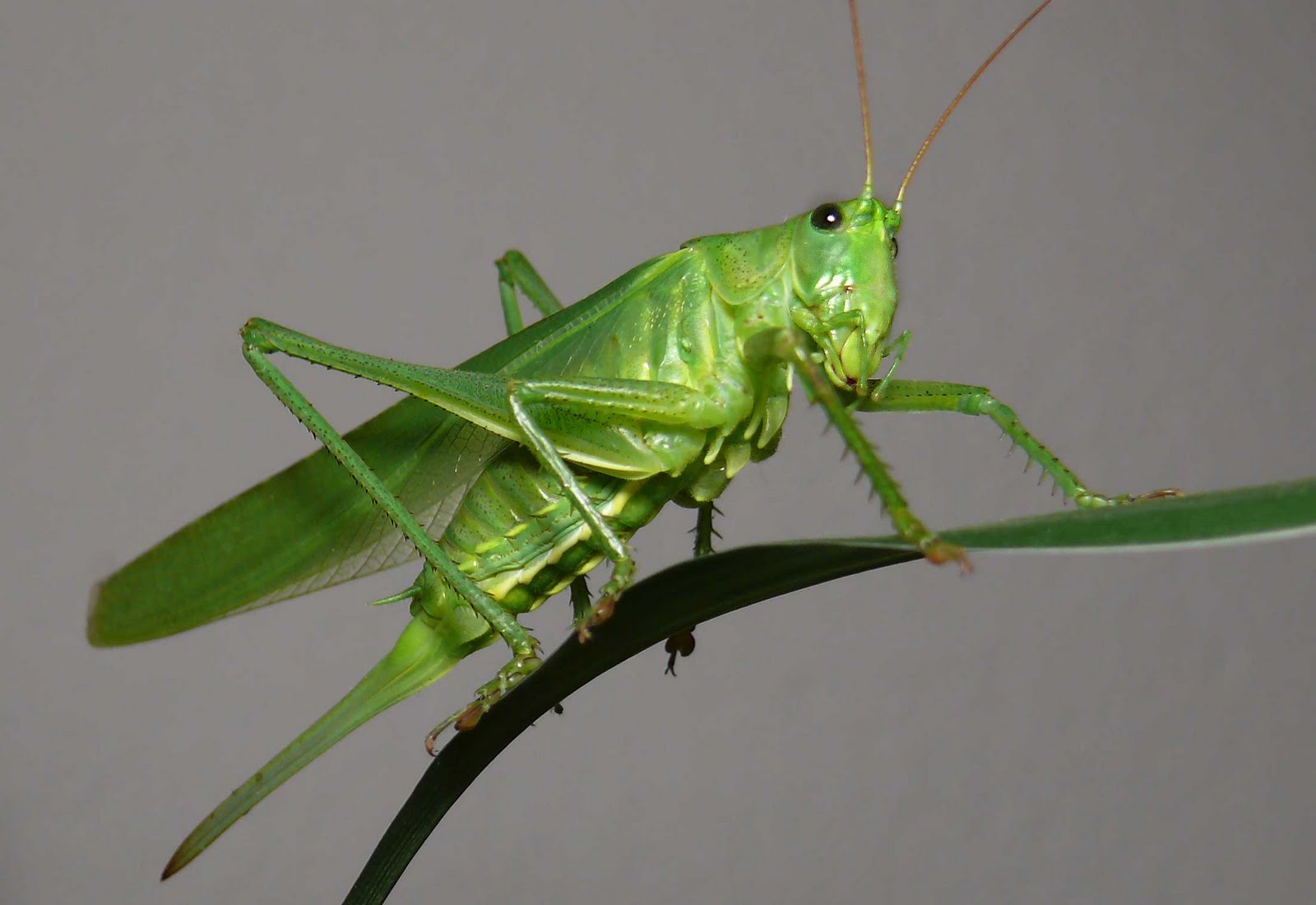
I've never had a solid answer to the question Where Did We Come From? On a basic level, I believe in supernovas and evolution and the scientists' explanations. But on days when that sounds too harsh and technical, I can't help wondering if there's a little...more. Smelling the early blooms in spring, hearing a newborn cry for the first time or feeling true love in somebody's eyes are such indescribable moments that I want to think there's something greater. On the flip side, sickness and natural disasters are so hard to justify. Science can tell me that grasshoppers are part of the Melanoplus Differentialis species, which is great for an insect in a book, but looking at a specific insect landing on your arm and seeing its little beady eyes and delicate antennae makes you look at it differently. Is there something else that adds to its beauty, its magic, its charm? The man sitting next to me always denounced that idea as inexplicable fluff, but here he was yelling about getting to Hollister, unable to move much more than his left hand, looking blankly right through my eyes, and I was having a very hard time explaining that to myself.
Later that evening, I was sitting on the patio with a glass of wine reading The Long Goodbye. It's a memoir by Meghan O'Rourke about the time leading up to and following her mother's death from cancer, and the book has been a valuable resource for me to find some congruity and understanding about the process. I was a little more than halfway through, and at that point Meghan was struggling to get back into a normal routine and grappling with where her thoughts are taking her. That night I read,
"And as I sat, a robin hopped toward me. Its red breast was shiny, and it had bright, bold eyes. And I thought: OK, so, resurrection; I don't know. But what in the world- in the universe- made this creature? Can evolution account for the mystery of life? As a theory, it doesn't go as far as I'd like toward explaining the world....I watched it for some time, half wondering if in any way it could be my mother. What MADE you, robin? my mind practically shouted....How could I disregard the bubbly, foolish sense of beauty I felt looking at it? And: How could I reconcile that with the pain my mother endured before she died?"
Sitting on the porch that night, I saw a bird in the tree above me. As I took in the vibrant yellow of its wings and the ease with which it floated from branch to branch, I again came back to the confusion, apathy, alienation, frustration, terror and sadness that I see on Dad's face every time I visit. On a bad day, I would use the word "suffering". In what world that can be filled with so much magic and beauty is it okay for pain and disease to endure with such vehemence? And when it does come to and end...then what?
 |
| What is it thinking? |
The other day, I took Dad outside to read some poems. A friend has just given me one of Mary Oliver's collections, and I thought maybe he would find her descriptions of nature peaceful. It seemed fitting to start with one of my favorites, The Summer Day. I had always been moved by the last line, which asks, "Tell me, what is it you plan to do with your one and precious life?" I was planning on focusing on that with Dad, but as I read the poem out loud I was drawn to a line from the beginning. Mary writes, "Who made the grasshopper? This grasshopper, I mean- the one who has flung herself out of the grass, the one who is eating sugar out of my hand..." Thinking so much about the end of life has made me revisit the beginning as well, and this line made me pause.
I've never had a solid answer to the question Where Did We Come From? On a basic level, I believe in supernovas and evolution and the scientists' explanations. But on days when that sounds too harsh and technical, I can't help wondering if there's a little...more. Smelling the early blooms in spring, hearing a newborn cry for the first time or feeling true love in somebody's eyes are such indescribable moments that I want to think there's something greater. On the flip side, sickness and natural disasters are so hard to justify. Science can tell me that grasshoppers are part of the Melanoplus Differentialis species, which is great for an insect in a book, but looking at a specific insect landing on your arm and seeing its little beady eyes and delicate antennae makes you look at it differently. Is there something else that adds to its beauty, its magic, its charm? The man sitting next to me always denounced that idea as inexplicable fluff, but here he was yelling about getting to Hollister, unable to move much more than his left hand, looking blankly right through my eyes, and I was having a very hard time explaining that to myself.
Later that evening, I was sitting on the patio with a glass of wine reading The Long Goodbye. It's a memoir by Meghan O'Rourke about the time leading up to and following her mother's death from cancer, and the book has been a valuable resource for me to find some congruity and understanding about the process. I was a little more than halfway through, and at that point Meghan was struggling to get back into a normal routine and grappling with where her thoughts are taking her. That night I read,
"And as I sat, a robin hopped toward me. Its red breast was shiny, and it had bright, bold eyes. And I thought: OK, so, resurrection; I don't know. But what in the world- in the universe- made this creature? Can evolution account for the mystery of life? As a theory, it doesn't go as far as I'd like toward explaining the world....I watched it for some time, half wondering if in any way it could be my mother. What MADE you, robin? my mind practically shouted....How could I disregard the bubbly, foolish sense of beauty I felt looking at it? And: How could I reconcile that with the pain my mother endured before she died?"
Sitting on the porch that night, I saw a bird in the tree above me. As I took in the vibrant yellow of its wings and the ease with which it floated from branch to branch, I again came back to the confusion, apathy, alienation, frustration, terror and sadness that I see on Dad's face every time I visit. On a bad day, I would use the word "suffering". In what world that can be filled with so much magic and beauty is it okay for pain and disease to endure with such vehemence? And when it does come to and end...then what?
Thursday, July 7, 2011
All Choked Up
It's common for the elderly to have problems with swallowing. As the body starts to decline, it's just one of the basic functions that starts to fail. They are at high risk for aspiration, which is when food, saliva or anything else enters the trachea and lungs, often leading to infection and pneumonia. It's especially common in people with dementia, because the body essentially forgets how to swallow properly. The larynx no longer closes, which is key to preventing aspiration. Oddly, thin liquids like juice and water are especially problematic, because the muscles don't identify them as substances so they sneak past and can cause choking.
Dad starting having problems with this about a year ago, and ever since he has been on either "nectar thick" or "honey thick"- a thickening agent is literally added to his beverages so he remembers to swallow it. In the past few months, he has started coughing more and more when he eats and Julie, his Hospice nurse, has noticed more buildup in his lungs. Three weeks ago we downgraded him to a "mechanical soft" diet, which basically includes foods he doesn't have to chew very thoroughly but leaves room for some texture, such as Sloppy Joe meat and scrambled eggs. Eating has always been a source of pleasure for him, so I was reluctant to even take that step, but it seemed necessary.
I talk with Julie several times a week so when she called this morning I figured it was just with a medication update or something like that. Instead, she said, "We have to put Henry on a pureed diet." Then she paused before adding, "He choked this morning during breakfast. Carrie, he turned blue. His lips were purple. It could have been...really serious. He was visibly scared, actually panicking." After I caught my breath, she told me that she was feeding him and he started coughing, then stopped coughing and stopped breathing. Fortunately, one of the hefty med students was nearby and was able to lift Dad out of his wheelchair and dislodge whatever was stuck. Had that not happened in time, well...I shudder to think...Dad choked on a piece of candy while lying in bed when he was a teenager, and I think it's the only thing he's ever been afraid of. He's always said it would be the worst way to go, and yet it almost happened to him this morning.
I had been doing okay. I had gone several weeks without a breakdown, and can't remember the last time I cried. It's been a year and a half since Dad was first admitted to Hospice, and it sounds strange but I'm actually sort of kind of getting used to it. That in no way means that I've stopped my care and concern, or take it for granted that he will be there the next time I visit- I make sure that every time I leave the last thing I say is "I love you" and I am somewhat comforted knowing I will have no regrets, should something happen to him while I am not there. But still. The call this morning set me off in panic mode again, and after I hung up with Julie I sat down on the floor and cried. And the memory of the taste of salt and tears on my face gave me flashbacks to some of the things we've been through, and I cried some more. The release left me exhausted and nauseous, but it obviously needed to come out. All day I've pictured his blue face and even now, eight hours later, I can't stop shaking.
I somehow have it in my head that Dad is going to die this nice, comfortable death that they describe in the Hospice books. He'll stop eating, become less responsive, his body temperature and blood pressure will go down, and he might even feel like he's in a peaceful place. Julie will see that death is more imminent, and I'll be able to spend his last two days or so with him, holding his hand and singing. Even if he does catch pneumonia, which is likely, they can usually predict the actual death within a few days. But what if it doesn't follow that pretty, linear pattern and something happens while I'm not there? I've read so much about grieving, talked with so many Hospice workers, commiserated with so many friends going through a similar journey. But you're never prepared. I thought I was ready-ish. But my father almost died this morning without me there. And I'm not ready.
Dad starting having problems with this about a year ago, and ever since he has been on either "nectar thick" or "honey thick"- a thickening agent is literally added to his beverages so he remembers to swallow it. In the past few months, he has started coughing more and more when he eats and Julie, his Hospice nurse, has noticed more buildup in his lungs. Three weeks ago we downgraded him to a "mechanical soft" diet, which basically includes foods he doesn't have to chew very thoroughly but leaves room for some texture, such as Sloppy Joe meat and scrambled eggs. Eating has always been a source of pleasure for him, so I was reluctant to even take that step, but it seemed necessary.
 |
| Pureed lasagna...yum |
I had been doing okay. I had gone several weeks without a breakdown, and can't remember the last time I cried. It's been a year and a half since Dad was first admitted to Hospice, and it sounds strange but I'm actually sort of kind of getting used to it. That in no way means that I've stopped my care and concern, or take it for granted that he will be there the next time I visit- I make sure that every time I leave the last thing I say is "I love you" and I am somewhat comforted knowing I will have no regrets, should something happen to him while I am not there. But still. The call this morning set me off in panic mode again, and after I hung up with Julie I sat down on the floor and cried. And the memory of the taste of salt and tears on my face gave me flashbacks to some of the things we've been through, and I cried some more. The release left me exhausted and nauseous, but it obviously needed to come out. All day I've pictured his blue face and even now, eight hours later, I can't stop shaking.
I somehow have it in my head that Dad is going to die this nice, comfortable death that they describe in the Hospice books. He'll stop eating, become less responsive, his body temperature and blood pressure will go down, and he might even feel like he's in a peaceful place. Julie will see that death is more imminent, and I'll be able to spend his last two days or so with him, holding his hand and singing. Even if he does catch pneumonia, which is likely, they can usually predict the actual death within a few days. But what if it doesn't follow that pretty, linear pattern and something happens while I'm not there? I've read so much about grieving, talked with so many Hospice workers, commiserated with so many friends going through a similar journey. But you're never prepared. I thought I was ready-ish. But my father almost died this morning without me there. And I'm not ready.
Subscribe to:
Posts (Atom)